
(Shr)Impact
Shrimps helped
(in Expectation each year)
6,300,000,000
Between 4,300,000,000 - 8,700,000,000
Shrimps helped per $ per year
(overall Cost-Effectiveness per $)
1,400
Between 980 - 2,000
About These Numbers
The industry measures shrimps by weight, or tonnage, rather than counting them as individuals. Since shrimps can vary in size, one kilogram of shrimp may contain many smaller individuals or fewer larger individuals. Therefore, we calculate a range to estimate the number of animals we are able to help through our industry partnerships.
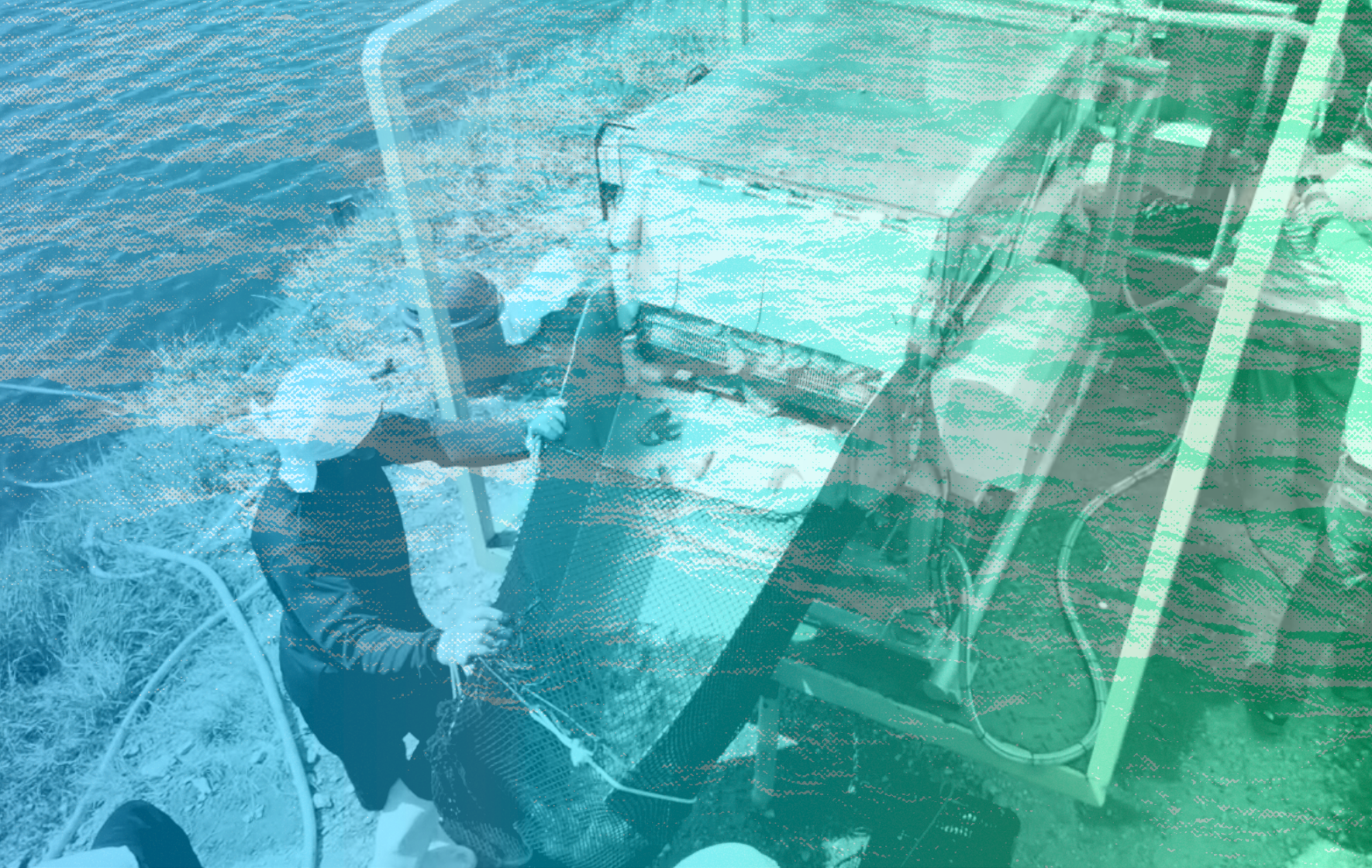
Through the Humane Slaughter Initiative, we have signed 36 corporate agreements to provide stunners to shrimp producers across 9 countries in Asia, Latin America, and Africa.
Once all stunners are delivered and operational, they are expected to impact 86,875 metric tonnes (MT) of shrimp per year.
Of these commitments, 20 stunners have been installed and commissioned, with an expected impact of 54,175 MT (or about 3.6 billion) shrimp per year. The remaining stunners are in production, being shipped and processed through customs, or awaiting commissioning.
You can read more details about the (shr)impact of each stunner here. Scroll down to our FAQ for more information about how we measure our impact.
Shrimps helped per year
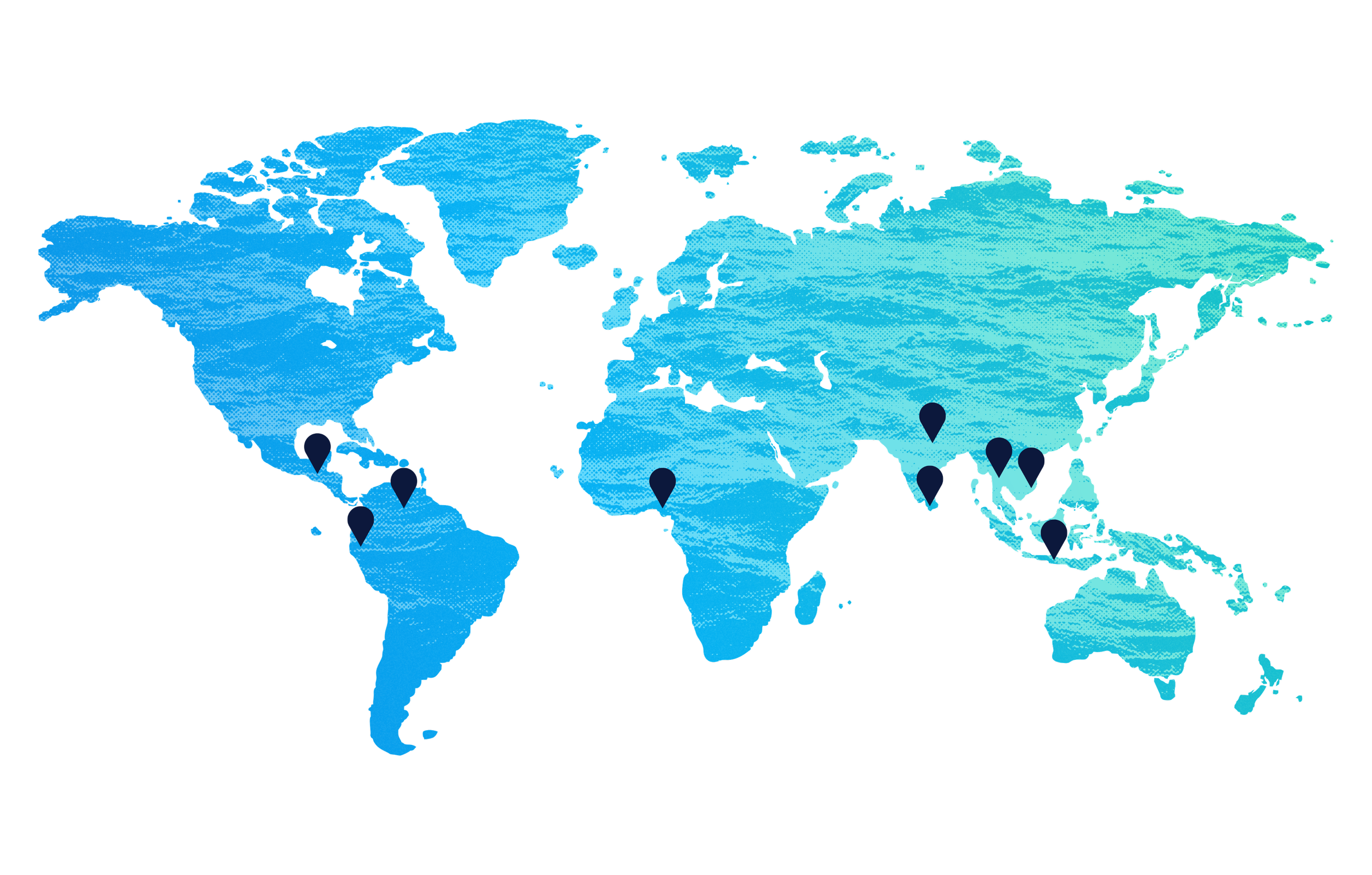
Vietnam ~2,540,000,000
Honduras ~1,090,000,000
India ~630,000,000
Indonesia ~570,000,000
Ecuador ~480,000,000
Sri Lanka ~440,000,000
Venezuela ~280,000,000
Thailand ~180,000,000
Nigeria ~72,000,000
Retailer Commitments
We collaborate with retailers to help them create, adopt, and fulfill shrimp welfare policies and standards.
Supermarkets with shrimp welfare policies
Tesco (UK)
Marks & Spencer (UK)
Sainsbury’s (UK)
Waitrose / John Lewis Partnership (UK)
Ocado (UK)
Co-op (UK)
Morrisons (UK)
Iceland (UK)
Asda (UK)
Lidl GB (UK)
Albert Heijn (Netherlands)
Jumbo (Netherlands)
Les Mousquetaires (France)
Auchan (France)
REWE Group (Germany)
ALDI Nord Group (Global)
ALDI Süd Group (Global)
FAQs
-
Through our Humane Slaughter Initiative, shrimp producers sign agreements committing to use electrical stunning for a minimum volume of shrimp each year. Our expected-impact figure converts those committed annual volumes into an estimated number of individual shrimp.
The figure is a projection based on signed commitments — not a count of shrimp that have already been stunned. It includes commitments where the equipment is installed and commissioned, as well as equipment that is still being manufactured, shipped, or prepared for installation.
We therefore distinguish between:
Committed impact: the annual volume covered by all signed producer agreements.
Installed capacity: the annual committed volume associated with stunners that have been installed and commissioned.
Verified use: volumes supported by monitoring data showing when and how the stunner was used.
We are progressively strengthening the third category as our monitoring systems develop.
-
In collaboration with our industry partners, we have developed a monitoring system that combines several sources of evidence:
Digital data collection forms submitted after harvest, including the weight of shrimp stunned and photos/videos.
Equipment data, where compatible stunners can record information such as whether the machine was active and which settings were used.
Periodic questionnaires and follow-up conversations with producers.
Field visits, commissioning support, and staff training.
Collaboration with retailers and suppliers to connect farm-level records with supply-chain traceability.
Learn more about our work in this August 2026 Shrimp Insights piece, “The Future of Shrimp Welfare: How Retailers Can Validate Electrical Stunning Commitments.”
-
We provide extensive support to help producers integrate electrical stunning effectively into their operations. Our Producer Engagement and Field Implementation team works directly with farm and processing staff throughout implementation — from site preparation and commissioning to ongoing training, troubleshooting, follow-up support, and optimisation for different farm contexts or harvest conditions.
During commissioning, our team helps farm staff understand the appropriate equipment settings and operating protocols, identify behavioural indicators of an effective stun, and incorporate the stunner into their wider harvest process. We continue working with producers after installation to resolve technical issues, address, operational challenges, and improve implementation over time.
Compliance is also supported by commercial incentives. Our MOUs are signed in coordination with producers and their buyers — seafood suppliers and, often, retailers that expect electrically stunned shrimp in their supply chains. Using the stunner consistently and correctly is therefore a business expectation, and failing to do so could jeopardise a producer’s relationships or reputation.
-
No. The (Shr)Impact estimate is based on the annual volumes covered by the Humane Slaughter Initiative.
Retailer policies are shown separately on this page because buyer demand is an important driver of industry adoption and gives producers a commercial reason to stun shrimp. However, it is often difficult to attribute a retailer’s policy to any single organisation, so we do not treat the full impact of retailer commitments as caused solely by Shrimp Welfare Project.