

Humane Slaughter Initiative
Promoting more humane slaughter methods
This initiative focuses on improving welfare during harvest in the global shrimp farming industry.
By providing electrical stunners and technical guidance to aquaculture operations at minimal or no cost, the Humane Slaughter Initiative enhances animal welfare standards by ensuring that animals experience minimal stress and pain during slaughter.
This effort supports the industry's commitment to ethical sourcing, responsible sourcing, and sustainable practices.
What is the initiative?
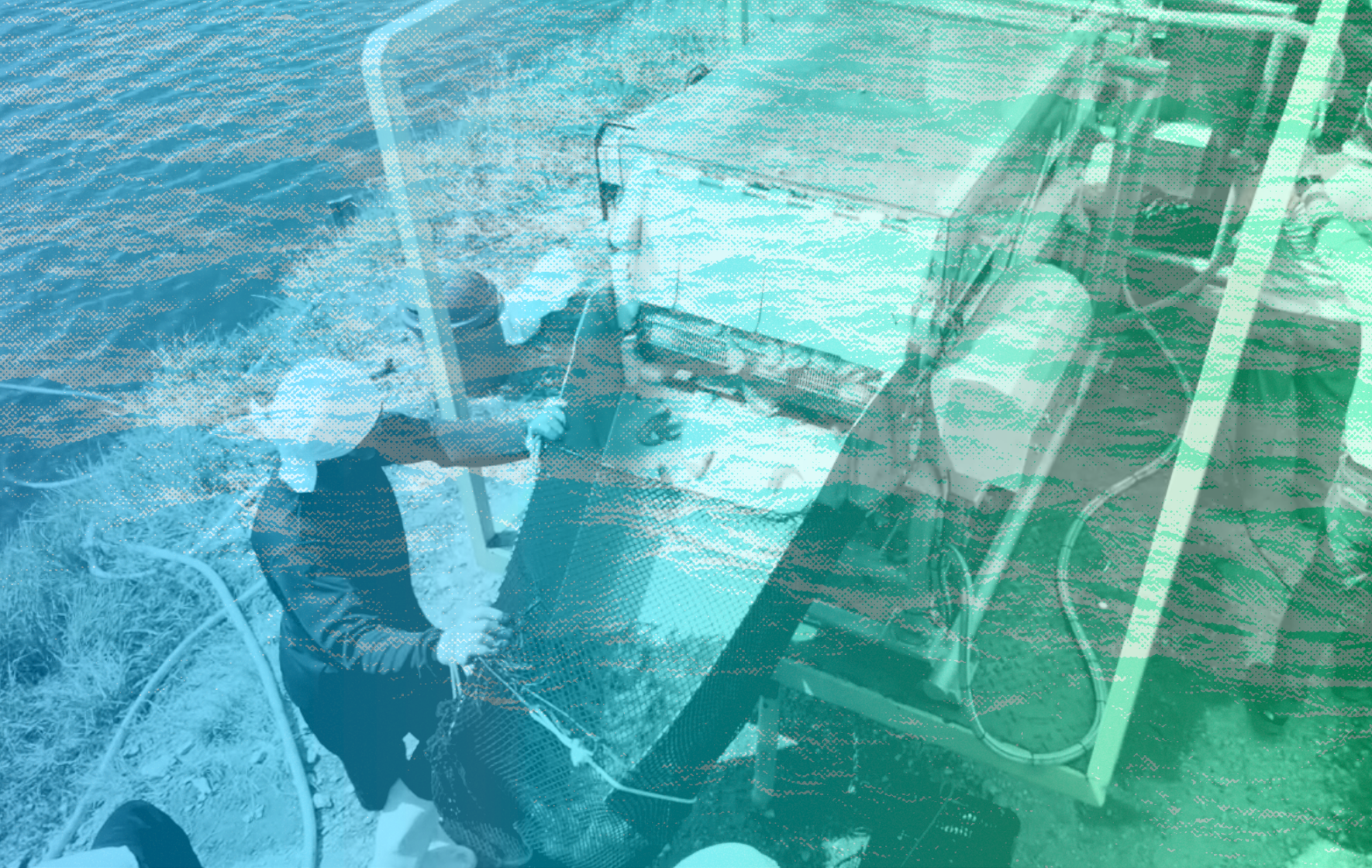
The Humane Slaughter Initiative aims to promote the adoption of electrical stunning technology in the shrimp industry.
By joining this initiative, producers will receive an electrical stunner and technical guidance to significantly improve shrimp welfare on their farms, provided they commit to stunning at least 1,900 metric tonnes of shrimp annually. The programme has shown the feasibility of humane slaughter across a number of regions, contexts and different farming systems globally, helping producers lead the way in setting new standards for ethical practices in aquaculture.
Why collaborate with us?
Shrimp Welfare Project is the first organisation exclusively focused on shrimp welfare, and we have partnered with more than 30 producers to improve welfare on their farms.
Implementing humane slaughter signals to buyers that a producer takes animal welfare and responsible practices seriously.
As animal welfare fits naturally into existing ESG and responsible aquaculture policies, participating producers could improve their standing with buyers, certifiers, and auditors.
Participating producers become pioneering suppliers of higher-welfare shrimps, setting themselves apart as leaders in the global market.
Why should producers implement humane slaughter?
Shrimp sentience has been established in scientific literature and recognised in legislation in various jurisdictions.
Consumers all over the world are increasingly demanding higher welfare standards for animal products (See Shrimp Welfare Project’s report on Consumer Attitudes Towards Shrimp Welfare). Therefore, retailers are actively working to improve the welfare of animals in their supply chain to better meet customer expectations.
A number of forward-thinking retailers, like Tesco, Marks & Spencer, Sainsbury's, Waitrose / John Lewis Partnership, Ocado, Albert Heijn, Jumbo, Co-op, Morrisons, Iceland, Asda, and Les Mousquetaires have already made public commitments to using electrical stunning in their farmed shrimp supply chains. We expect the group of welfare-conscious retailers to continue to increase dramatically in the coming years.
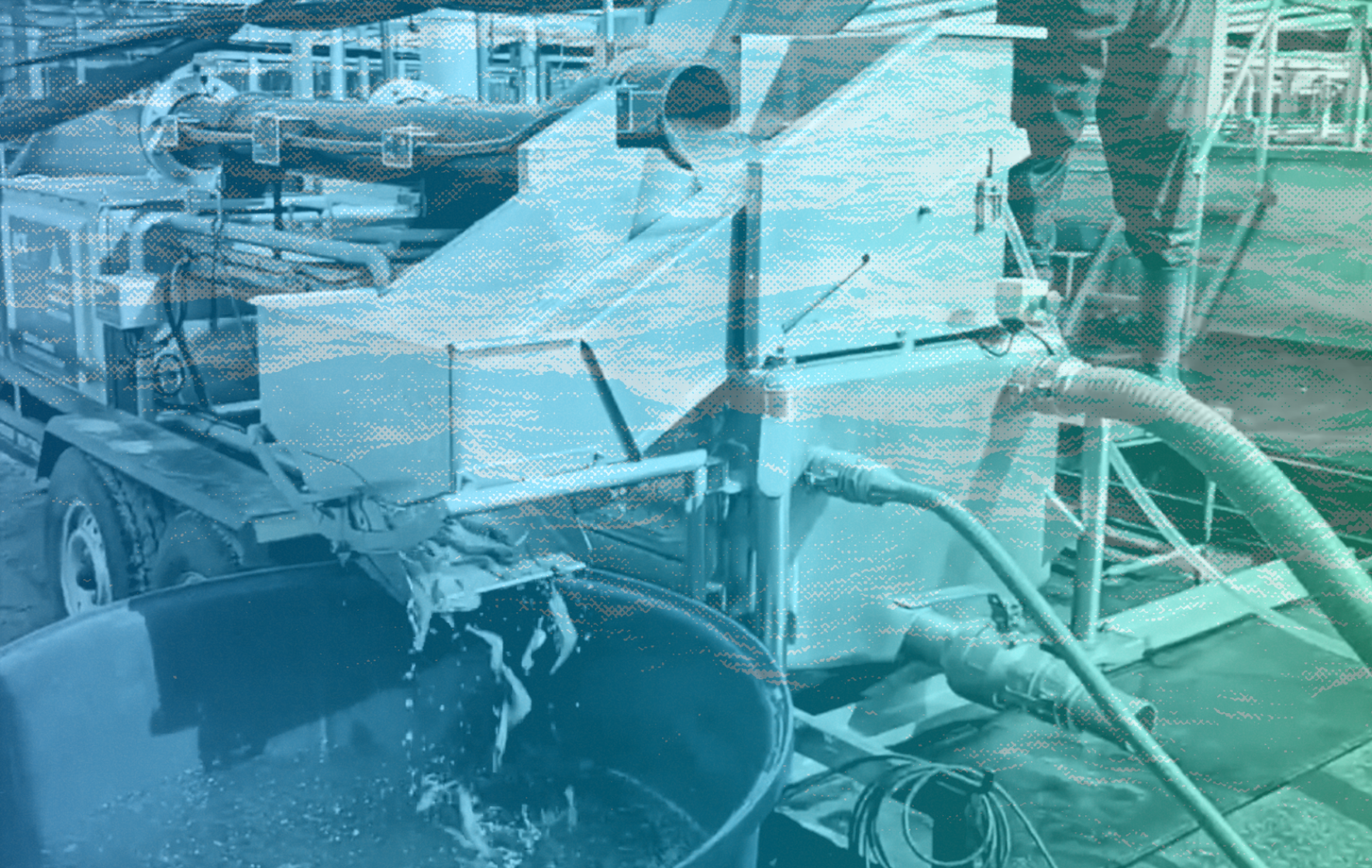
Experts on crustacean and shrimp welfare consider electrical stunning the most humane stunning pre-slaughter practice currently available for shrimps. It is more effective and significantly faster than immersion in ice slurry and asphyxia in rendering shrimps unconscious before slaughter.

Fact Sheets
Optimar electrical stunner
Ace Aquatec electrical stunner
Disclaimer: Shrimp Welfare Project is a UK-registered charity with no commercial ties to Optimar, Ace Aquatec, or any other organisation involved in this programme.
Current collaborators
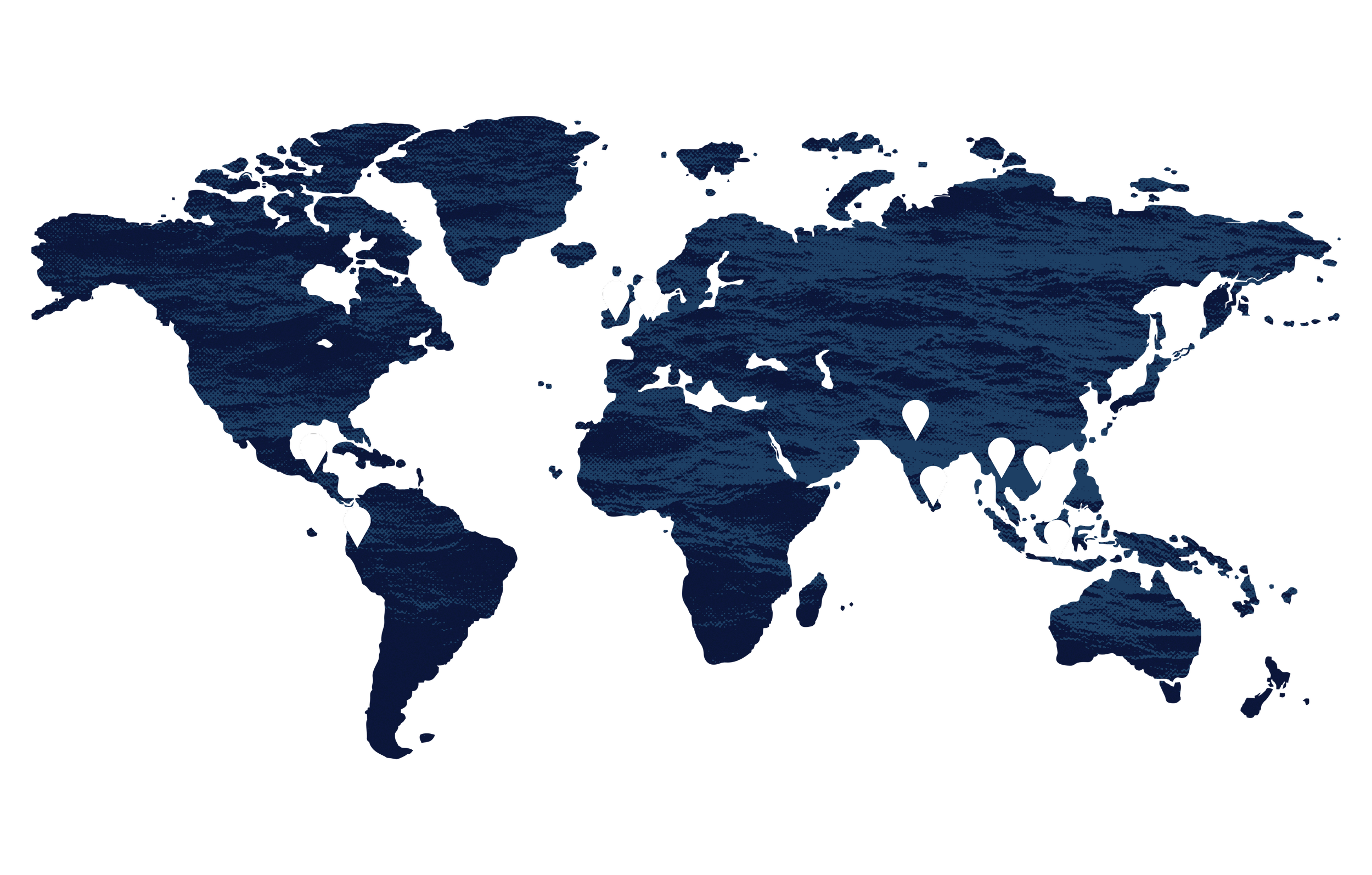
Humane Slaughter Initiative producers include:
Apex Frozen Foods (India) (joint agreement with Fisherman’s Choice)
CAMIMEX (Vietnam) (joint agreement with Seafood Connection)
Cofimar (Ecuador) (joint agreement with Klaas Puul and Albert Heijn)
CP (Vietnam) (joint agreement with Westbridge Foods and Tesco)
Devi Fisheries (India) (joint agreement with Libra Seafoods)
Grupo Granjas Marinas S.A (GGM) (Honduras) (joint agreement with SeaFarms)
Mega Marine Pride (Indonesia) (joint agreement with Seafood Connection)
MERSeafood (Honduras)
Nha Trang Seafoods (Vietnam) (joint agreement with Seafood Connection)
Omarsa (Ecuador) (collaboration facilitated by Labeyrie Fine Foods)
Sandhya Aqua (India)
Seajoy - Cooke (Honduras) (collaboration facilitated by Labeyrie Fine Foods)
Seaprimexco (Vietnam) (joint agreement with Amanda Seafood)
Taprobane Seafoods (Sri Lanka) (joint agreement with Seafood Connection)
Thong Thuan Seafood (Vietnam) (joint agreement with Young’s by Sofina)
Thuan Phuoc (Vietnam) (joint agreement with Labeyrie Fine Foods)
Trang Corporation & Dary Foods Co. (Vietnam) (joint agreement with Trangs Group)
Vina Cleanfood (Vietnam) (joint agreement with Libra Seafoods)

How to Get Involved
For shrimp producers, we can provide free humane slaughter equipment, training, and implementation support.
We also offer tailored advice on harvest design, pre- and post-stun handling, and higher-welfare practices in your specific context.
For seafood suppliers and retailers, we can help develop or strengthen your shrimp welfare policies.
Through personalised supply chain consulting, we can identify pathways to roll out humane slaughter among your existing producers and connect you with producers who are ready to lead on welfare.
Fill out the form below for a confidential, no-obligation conversation about what next steps might look like.
FAQs
-
SWP welcomes applications and referrals for any producers meeting the following criteria:
Min stunned volume of 1,800-2,000 MT/year (depending on the stunner model).
‘Good’ (or improving) welfare practices in other areas, e.g. no eyestalk ablation, water quality, stocking density.
Ability to safely integrate stunner (transport, power, usage) directly at each pond/harvesting site.
Agreement to support occasional and pre-agreed visits by other parties considering stunner adoption.
-
If eligible, full requirements will be outlined in a draft MOU for review. In general terms, the buyer agrees to prioritise humanely slaughtered producers, the producer agrees to minimum volumes stunned, and SWP agrees to pay for the price of the stunner. Please note that the producer is responsible for all freight and import duties (if any).
-
The stunner can be transported by small truck or mounted as a mobile unit. The units are robust and much of the technology has been well proven in the finfish industry. Maintenance is typically light and full training / support will be provided by the stunner manufacturer.
-
Subject to sign-off on the MOU by all parties, the stunner manufacturer has a lead time from order to delivery of approximately 6 months. This is typically a 4-month build, plus 1-2 months shipping. It may be possible to reduce timelines when SWP coordinates multiple unit orders in parallel.
-
SWP grants the producer indefinite usage, but retains ownership of the equipment and can reclaim if agreed terms are not being met - for instance minimum volumes, welfare standards, equipment cleaning/maintenance, etc. Current funding allows for one unit per producer only; further units would need to be analysed and negotiated in good faith after a minimum period of 12 months of successful utilisation.
Still have questions?
Drop us an email at info@shrimpwelfareproject.org