
What is Humane Slaughter for Shrimp?
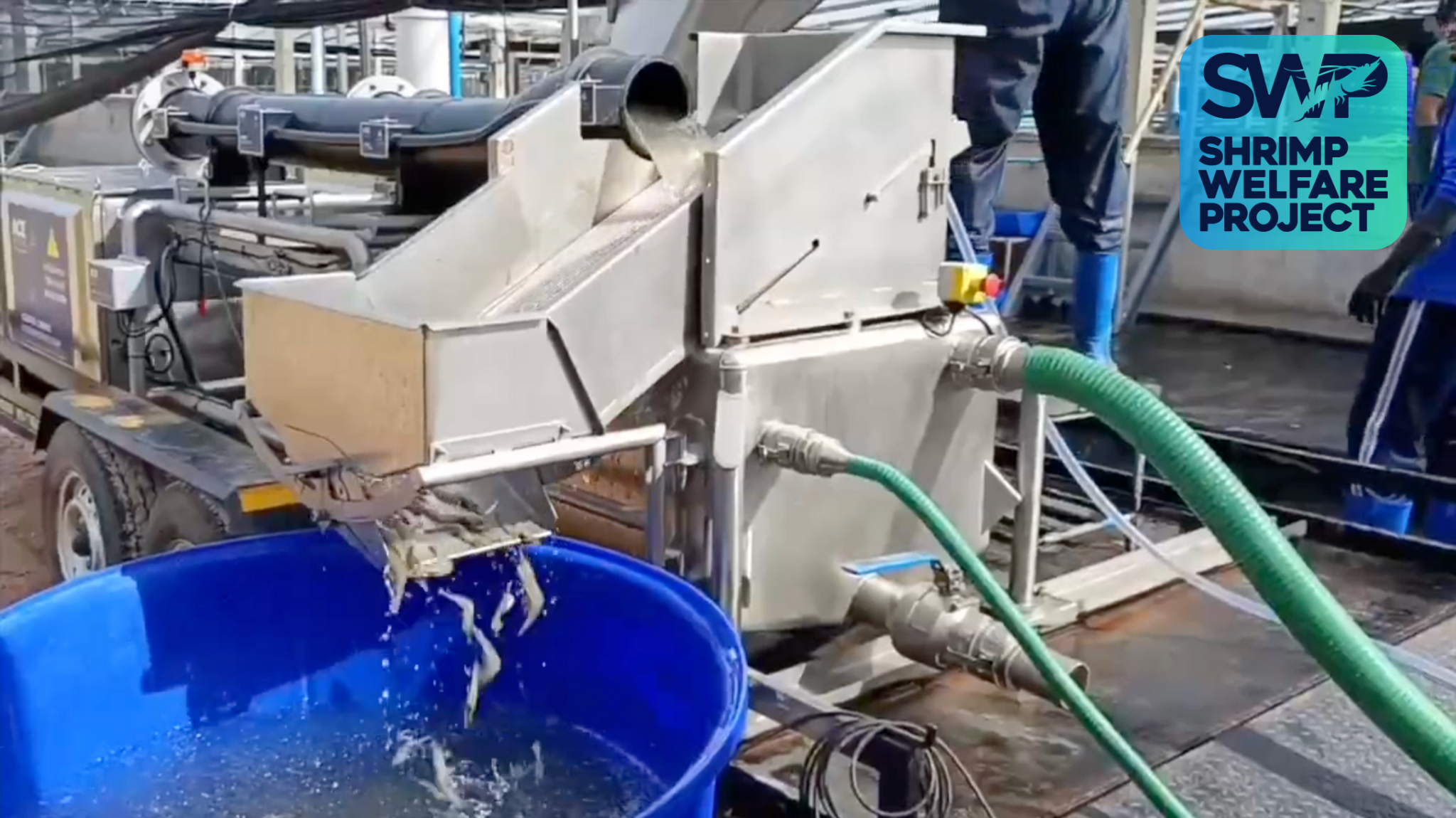
Humane slaughter has become a mainstream topic in the global shrimp industry, as retailers, certifiers, and consumers pay closer attention to welfare during harvest.
What do we mean by “humane slaughter” for shrimp?
Humane slaughter for any animal is generally defined as rendering the animal immediately unconscious and insensible to pain prior to slaughter. On a more technical level, that means the rapid induction of a state in which the animal is unable to experience pain, distress, or other aversive experiences, maintained until death occurs. If insensibility doesn’t occur immediately, then the animal must not be in pain or suffering until they lose consciousness (EFSA, 2005; FAO, 2020).
Today, most farmed shrimps are killed in ice slurry or left to suffocate in air, which can take many minutes and potentially hours depending on temperature. These methods are increasingly viewed as inhumane from both a welfare and consumer-trust perspective.
Based on analyses of slaughter methods, harvesting approaches, and scientific evidence, we’ve seen on farms across the globe that electrical stunning could be the most practical method for rendering shrimps unconscious within 1-2 seconds. While unconscious, shrimps are then transferred to an ice bath where they die without experiencing the prolonged distress associated with traditional harvest methods.
University of Stirling Study (2026)
The University of Stirling’s recent lab-based study — currently available as a preprint pending peer review — measured behavioural and neural activity of shrimp and compared the effectiveness of ice slurry and electrical stunning. Researchers found that electrical stunning followed by ice slurry is the most efficient and humane way to kill shrimps.
This procedure is consistent with the protocol of Shrimp Welfare Project’s Humane Slaughter Initiative, and mirrors the behavioural changes we’ve seen in the field.
At Shrimp Welfare Project, we’re currently collaborating with academic researchers in an effort to get more peer-reviewed scientific data on electrical stunning. By studying biometric-based tests and on-farm trials, we can measure the impact of stunning on shrimps’ consciousness and refine best practices. The early results are promising, and ongoing work will continue to inform how we can help producers implement humane slaughter in different farm contexts.
Dive deeper: While academic studies are ongoing, we commissioned a researcher to conduct a literature review of what the available science says about the effectiveness of electrical stunning, compared to chilling methods.
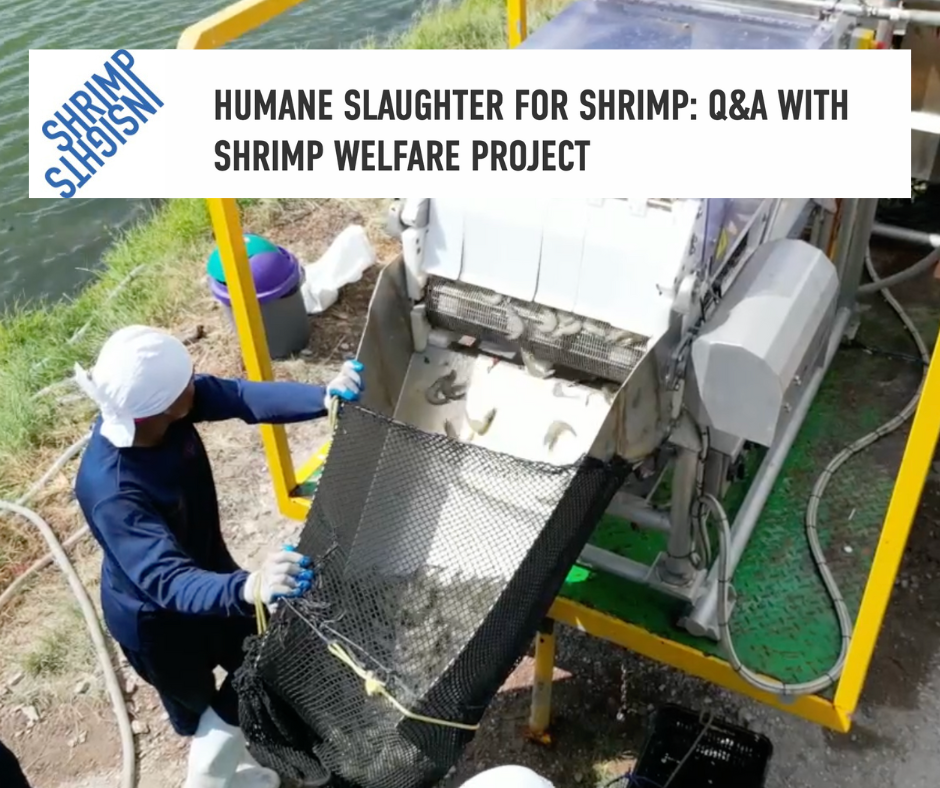
Read more in our Q&A published in Shrimp Insights
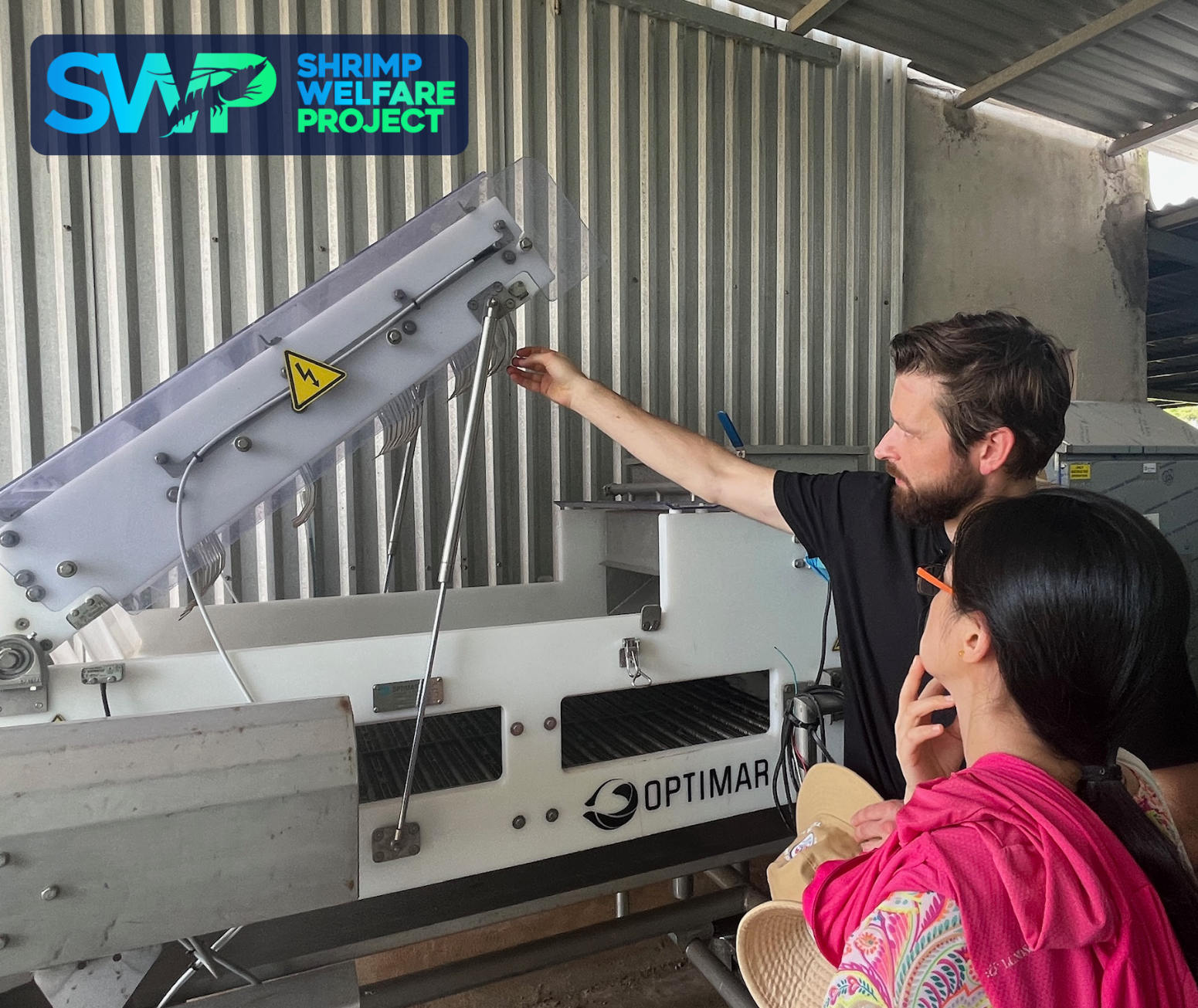
Curious about the evidence?
Learn about our fieldwork and ongoing research projects here.
